Annual homeless count conducted locally
Published 5:00 am Wednesday, March 4, 2026
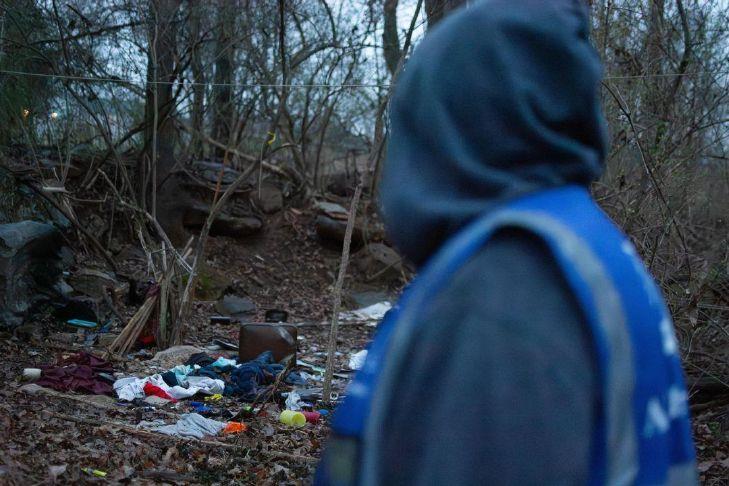
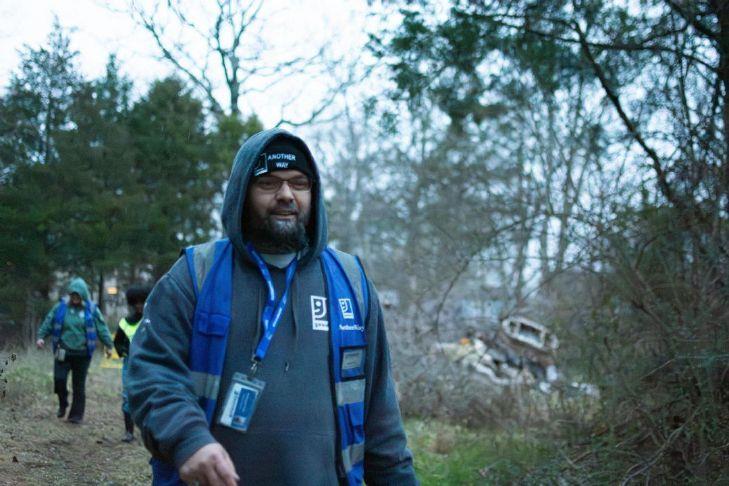
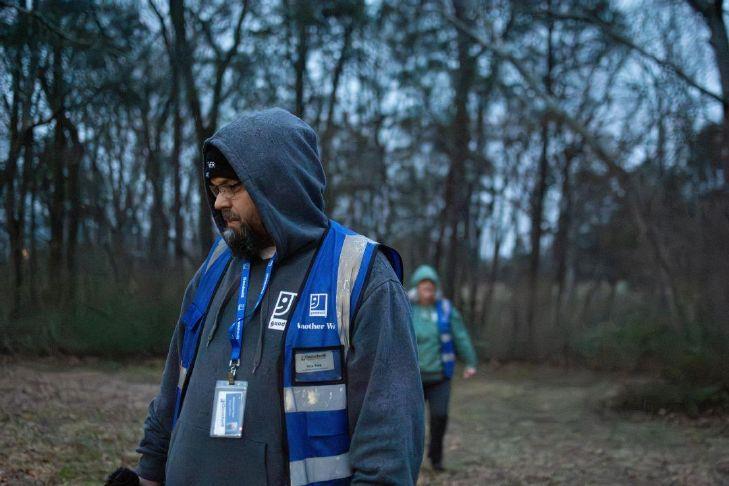





Off a beaten path by Lampkin Park, a low-hanging branch obstructs woody shrubland, where two nonprofit operators traverse brush in search of unhoused locals. A clearing turns up a baby carriage, two carts and other belongings as the rain picks up, and Goodwill Outreach Specialist Kristopher York calls for anyone there — but any residents had vacated, their mattress and the rest now drenched in the mud.
Last Wednesday marked Warren County’s annual homelessness count, held statewide in what is called the K-Count and administered by the Kentucky Housing Corporation.
The county plan entailed interviewing residents in 12 areas with questions about them and their housing circumstances. Some 20 volunteers conducted the count while passing out coats and resource bags, counters from HOTEL INC, BG Neighbors Aid Network, Goodwill, Good Deeds, LifeSkills, Volunteers of America and House on the Hill; Salvation Army, Room in the Inn and the domestic violence nonprofit Barren River Area Safe Space provided counts from their own shelters; and the library also partnered to do its own counts indoors, while interviews were also held at other indoor areas such as Christ Episcopal Church, which was holding its Wednesday weekly meal, and the LifeSkills Wellness Connection center, according to volunteers.
The year’s count was at least in part impacted by the rainy evening weather, said HOTEL INC Executive Director Karen Foley. At the same time, it varied countywide: While York and Foley’s search around Lampkin Park and the Morgantown Road Walmart was extensive but turned up no interviews, some other groups were able to conduct multiple surveys; BG Neighbors Aid Network, for example, collected close to 30 surveys throughout the day, the nonprofit’s cofounder Emily Witthuhn said.
The U.S. Department of Housing and Urban Development requires this one-day “Point In Time” count every other year, while KHC conducts it yearly to monitor homelessness statewide, according to KHC. Results can demonstrate unhoused residents’ need for housing resources and services in their respective communities, and the count can help determine the funding awarded from HUD for homelessness programs, KHC states.
“The closer we can get to (an accurate count), it becomes a data point that we hope is useful, especially when we’re able to do those interviews and really drill down,” Foley said. “This (…) helps tell a portion of the story … localized to Warren County.”
After taking KHC several months to compile and review, the previous year’s results indicated 181 homeless people, up 16% from the previous year.
This year’s planning involved insights from numerous local nonprofits that support unhoused residents in Warren County, used a strategy developed and led by HOTEL INC Director of Operations Rebecca Troxell.
At the same time — whether in Warren County or elsewhere nationwide — the natural limitations of a one-day operation mean that these PIT counts are undercounts. PIT counts, for instance, don’t account for those couch surfing or staying with a friend, which represents many who are unhoused, Witthuhn said.
“It’s always a big undercount despite best efforts, just because it’s hard to locate people, and it’s based on being on foot and finding folks and getting their consent to log their information,” Witthuhn added.
Added York, “The challenge is, a lot of people don’t want to be seen, and they don’t want to be known where they’re at.”
Another metric that keeps a pulse on the count is attendance at Room in the Inn, which provides winter overnight shelter from Nov. 15 to March 15 — and during the previous season counted 256 people, unduplicated, using its services. This season, the nonprofit surpassed that count by late February, its board chairman Janet Yaeger said.
Unhoused Kentucky residents also have further incentive to stay hidden due to the Safer Kentucky Act, which in July 2024 banned camping and sleeping on public property. Troxxel added that because unhoused residents know about the legislation, some will move farther out of town — which makes them harder to find.
“They don’t want people to know where they live and where they stay, because they have to be removed from the property,” York summed up.



Best of Best Winners