Federal government rescinds $900,000 from Jennings Creek Elementary, Moss Middle
Published 5:30 am Thursday, February 26, 2026



Citing Trump administration priorities, the U.S. Education Department rescinded about $900,000 approved for kindergarten readiness at Jennings Creek Elementary and mental health at Moss Middle as well as chronic absenteeism and family connection across both schools.
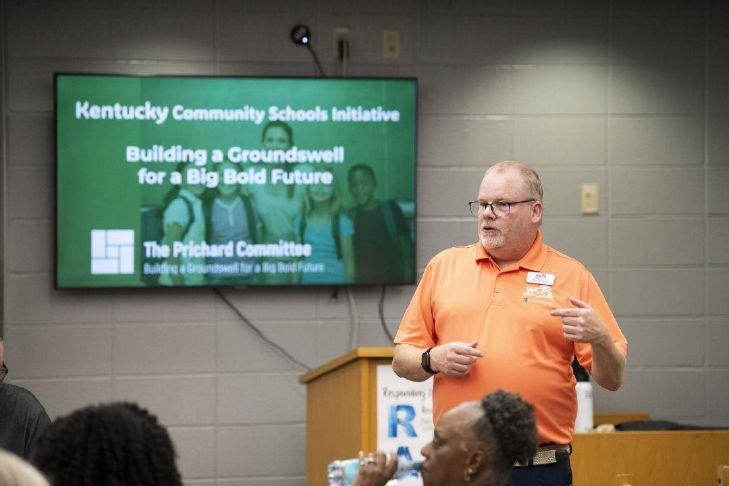
The sudden clawback halts a five-year, $47 million statewide grant two years in, money supplied through the Full-Service Community Schools program — rescinding about $20 million, according to Lisa McKinney, communications director at the nonprofit Prichard Committee, which has administered the grant. The program has aimed to reduce learning barriers through community planning, partnerships and well-coordinated supports — from engaging families in a plan to better meet student needs, to driving a bus with learning activities to students’ neighborhoods, to hosting events for deterring mental health issues and vaping.
In the two years it’s received the grant, Warren County Public Schools has spent about $600,000 of what was supposed to be a $1.5 million award, funding that has especially engaged the schools’ sizable international student populations. Generally, the $900,000 clawback threatens the numerous initiatives and potentially staffing, as WCPS will need alternative funds to sustain costs that require more money; those requiring little to no additional money, such as events sponsored by community groups and clubs that mostly need one-time costs, are more certain to continue, while others, such as an anti-vaping program by the nonprofit health organization LifeSkills, will need to be canceled, according to Ben Kirtley, WCPS’s districtwide director of community schools and Family Resource and Youth Services Centers.
But WCPS runs a tight budget, and the Kentucky General Assembly hasn’t yet determined schools’ funding — so, it’s overall far too early to say which plans will continue, Kirtley said. What is known is that WCPS was beginning to see hard data showing that students were doing better; chronic absenteeism at Jennings Creek Elementary, for example, dropped from 14.8% in November 2024 to 10.7% last November — and to 9.1% this month, according to Kirtley.
“We’re disappointed we didn’t get to finish out the grant because (…) clearly things were working,” Kirtley said. “We were starting to make a difference.
“I just hate that we don’t have that funding anymore to be able to continue the work that’s being done.”
The Prichard Committee told the Daily News that a letter from the U.S. Education Department stated the program no longer aligns with the Trump Administration’s priorities. The department didn’t respond to a request for details at press time.
Staff positions and stipends make up most of the rescinded funding, more than $160,000 annually for what was originally the next three years, with a potential six-month extension, according to Kirtley.
The staff funding has enabled WCPS to place Kirtley, previously a 25-year FRYSC coordinator, in his current position — a new role overseeing the community schools and the district’s 23 school resource centers, which address non-academic barriers to learning through supports such as food and clothing.
It has also funded a student success liaison at Jennings Creek Elementary addressing chronic absenteeism and working with numerous international families, Kirtley said. The stipends cover additional events, planning, training and other initiatives taken on by the center coordinators.
The move also rescinds about $50,000 earmarked for an ongoing remodel of the new Jennings Creek Elementary playground to open it up for families to use after hours and during weekends. The district needs to find funding elsewhere, Kirtley said.
Through the programming, the schools identified students on the verge of chronic absenteeism to connect them with support, and this will continue, Kirtley said.
But the clawback does rescind much of the remaining roughly $290,000-$340,000 from numerous initiatives to bolster WCPS’s connections with families and reduce chronic absenteeism at both schools.
For the first half year of the grant, WCPS met with families and community leaders to identify needs at each of the two schools.
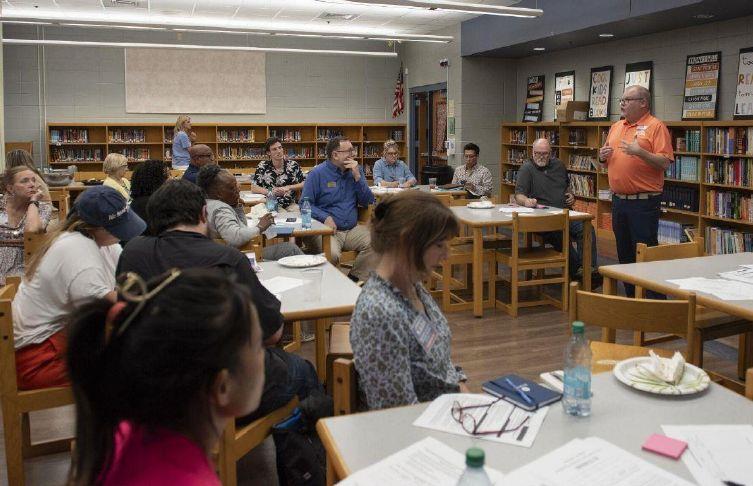
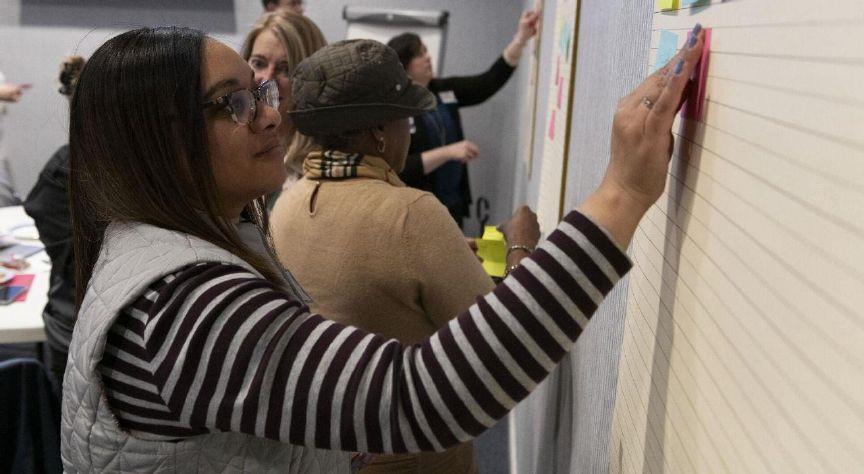
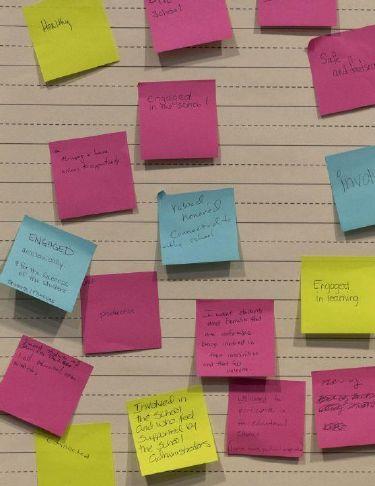
Initial community meetings at the schools gathered input and identified resounding themes that WCPS presented to a small team of community leaders. They created an action plan that was brought back to the schools’ community, who showed near-unanimous support for the areas to focus on, Kirtley said.
Some, for example, are the family events — which overall will continue, as they’re especially sustainable thanks to community support, and connections with families through the grant-funded events so far have proven effective, Kirtley said. But aspects costing money will require funding partners or new resources, he said.
For example, WCPS has invited students and their families to cookouts with games, trunk or treat, bingo with grocery rewards, and a wellness night dedicated to mental health at both schools.
With WCPS pushing physical activity to help deter mental health issues, last year’s wellness night activities included cardio drumming, yoga and an obstacle course. This year’s has provided line dancing with different cultures’ music, self-defense instruction and guidance counselors leading different social-emotional learning activities, Kirtley said.
Moss Middle FRYSC Coordinator Lynn Vincent said she’s seen a surge in the number of families attending across events following the program initiatives. For example, whereas the winter wonderland event normally has some 200 students, last year’s had more than 800. Kirtley added that through the events, WCPS found three parents to join each school’s FRYSC advisory councils.
“I’ve seen more Moss students at these events than I’ve ever seen, and I’ve been here 26 years,” Vincent said. “The increase in involvement with our kids, and our parents — it’s just amazing what’s happened.”
Also at Jennings Creek
Jennings Creek Elementary FRYSC Coordinator Tracy Woods said the grant played a significant role in getting more families involved in the school, increasing the number of kindergarten-ready students and reducing chronic absenteeism.
Whereas a few cultures would be represented at family events, students and family members of nearly every ethnicity at the school are now attending them, Woods said. At this school year’s two parent-teacher conference days, the school had the second-highest number of parents participating across the school district, she said.
“That grant made us very, very focused on how (…) we build positive relationships with our events,” Woods said. “We were very, very excited when we started to see the people at our events represent the ethnicities that are here.”
Concerning kindergarten-readiness, Kirtley said that Jennings Creek Elementary’s score increased by 10 points last year thanks to many school initiatives — and that the program also contributed.
The rescinded funding leaves it uncertain what the future is for WCPS’s recently renovated “LEAP” bus — which travels into neighborhoods to provide educational activities for young children while helping parents with areas such as online registration.
The grant also provided additional resources for events such as a family night and summer bootcamp that each focused on kindergarten readiness. These events will continue — but the school would need new funding to provide resources, such as educational games for families and their kids to play in preparation for kindergarten.
The grant-funded student success liaison has also organized an educational initiative called the World Tour Club, where different community partners teach about their cultures — from teaching about Spanish songs, to bringing in cultural snacks for the students to try.
The school FRYSC plans to keep up the programming where it can. Woods is hopeful, given that they’ve built new relationships with community members who have become more invested in the school.
Still, she anticipates virtually all the programs will be affected without the funding.
“I’ve always known that I’ve lived in a great place, but through this grant, I’ve learned that we live in an amazing place,” Woods said. “The school wins, the families win, the students win and the community wins.”
Also at Moss Middle
In addition to surging family attendance at events, Moss Middle’s FRYSC coordinator Vincent said the grant “absolutely” resulted in improvement at the school since the programming began.
Attendance has increased 1.5 percentage points since 2024. ESL class scores have improved because more kids want to be in school, Vincent said. Office referrals due to behavior also decreased, she added.
The grant has also funded startup costs for many school clubs, which are intended to incentivize attendance.
But Kirtley said that for the clubs, it might be a struggle to sustain what they do when more supplies are needed.
It’s also unclear what will happen to a system where students collect points for things like school attendance and homework to claim rewards.
The rescinding could also mean fewer resources at a summer camp for students entering seventh grade. These students attend a condensed school day to get them more comfortable transitioning from elementary to middle school — and while the camp was previously available, the grant funded provisions that weren’t there such as food.
Related to mental health, the rescinding means WCPS cannot recoup several thousand dollars allowing staff to travel to the Ron Clark Academy in Atlanta — which focuses on improving school culture and climate, Kirtley said.
The rescinding also applies to additional funding for field trips in the Leading Ladies program, which is intended to provide support and encouragement for girls at the school.
“I’m very disappointed because I had high hopes,” Vincent said. “But we do have a lot of community support, and we’re just going to keep trying and doing what we’re doing. That’s all we can do.”

Best of Best Winners