Winter storm impacts linger
Published 10:00 am Friday, January 30, 2026

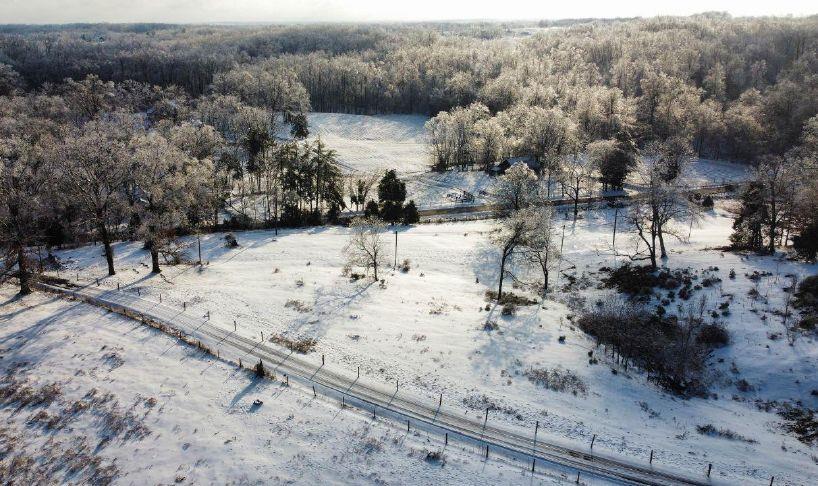



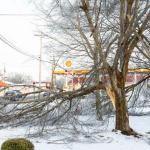

This past week, Winter Storm Fern inundated southcentral Kentucky and caused power losses for numerous thousands of residents, with many outages extending into the late week in Allen and Barren counties.
Allen County Judge-Executive Dennis Harper said that when the outages hit, they affected about 10,000 residents, or half the county; Barren County Deputy Judge-Executive Garland Gilliam said the number of Barren residents without power peaked at more than 6,000. By mid-week, the Kentucky Electric Cooperatives, serving 117 counties, reported that the two were among the top several counties in the state with the most outages from its cooperatives.
On Thursday, Tri-County Electric, which widely serves Allen County, reported 1,387 without power, down from 8,107, and Barren’s Gilliam reported 674 out of power in southern Barren, with Farmers RECC anticipating restorations to roughly 270 later that day. Early Friday morning, around 650 outages were reported in Allen, and fewer than 200 remained in Barren, according to poweroutage.us.
In the late week, the main issue throughout most of southcentral Kentucky was the roads — with crews working overtime but often unable to make headway against thick ice that freezes overnight. The Daily News touched base with county representatives of Allen, Barren, Butler, Edmonson, Hart, Logan, Warren and Simpson counties.
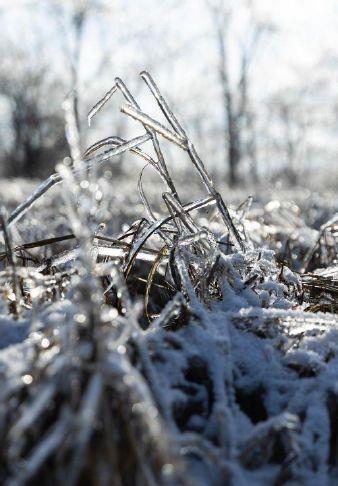
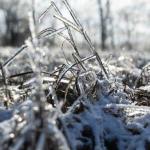
The issue, all said, was ice — adhering to the roads, refreezing overnight, and remaining too cold for salt to be effective, it’s widely made roadways hazardous across the region. Crews have worked long hours, sometimes around the clock, to get the roads cleared, but it appears little can be done to remove ice from the region’s thousands of miles of county roads until warmer weather makes it so equipment can break through it. Hart Judge-Executive Joe Choate added that he’s gotten multiple reports for snow plows flipping over.
“There’s no equipment we have that can remove this between the harsh cold temperatures and the depth of the ice,” Logan Judge-Executive Phil Baker said. “… the road crews, they’re out working as hard as they can. None of these guys want to be out there in this stuff. They want it gone too, because their families, their friends are affected by this. They’re doing everything they can in their power, and it’s just not working. Between the fatigue and equipment breaking, we’re just struggling.”
Added Edmonson Judge-Executive Scott Lindsey, “The problem with this ice is that you almost have to shave it.”
Asked about injuries, Med Center Health reported that the Bowling Green center’s emergency room saw an increase in broken hips due to the icy weather. There were also numerous sledding-related injuries, including head injuries and broken bones, according to Emily McGuffey, MCH’s director of emergency and trauma services.
Electric
It’s been long, hard hours, too, for the those staffing the region’s electric companies.
Joe Arnold, vice-president of strategic communications at Kentucky Electric Cooperatives, said hundreds of workers at each of the hard-hit co-ops are generally working 16-hour days.
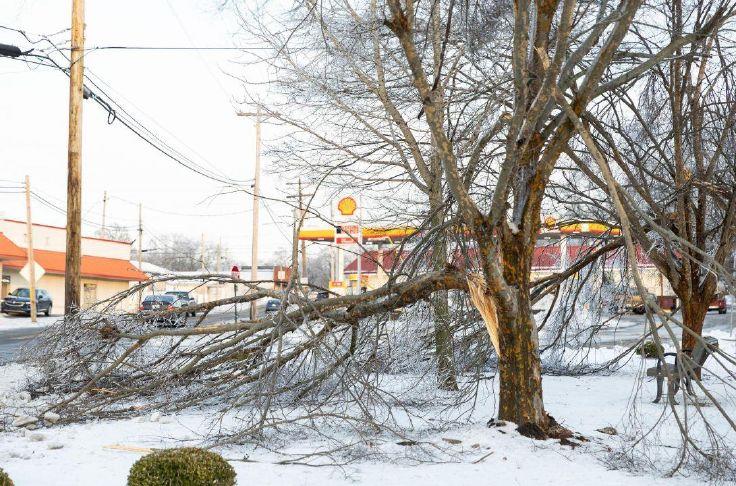
Ice events are often among the most disruptive when it comes to electric restoration, as they cause heavy, uneven loading on power lines and trees, Arnold said. This can snap limbs, pull down lines and break poles, often causing multiple damage locations across a system. Ice also tends to create secondary outages as conditions shift and trees fall, he added.
To restore power, Tri-County Electric described the process as repairing transmission towers and lines, then moving to distribution substations, main distribution lines, tap lines, and individual homes.
Warren RECC and the rural southcentral counties it serves reported quick turnarounds for the utility, with about 8,100 members without power during the storm’s height, and Warren RECC reported restorations for “everyone” by late Sunday evening. It also sent four crews to aid in Tri-County Electric’s restoration.
Bowling Green was widely unscathed, with 128 of its customers — among 32,000 who live in the city — impacted by the outage Sunday, and 17 on Monday.
Separately, Arnold stressed that people treat downed lines as energized and keep their distance, and urged customers who use generators to never run them indoors or in garages, and to use proper transfer equipment to prevent backfeed hazards to line workers.
Roads
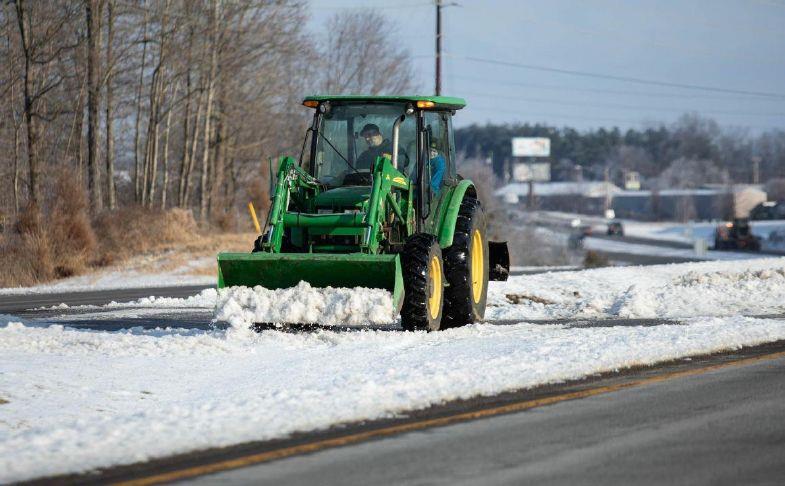
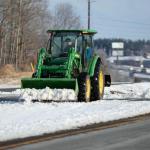
Across the state highways in our region, state crews have worked around the clocks in shift since Saturday morning and plowed and treated every state route— but there was enough snow to still cover all roads in the region state highway network, according to Wes Watt of the transportation cabinet.
State crews have plowed and salted while also responding to downed trees and assisting first responders; it has also deployed road graders to assist on breaking ice in multiple counties, Watt added.
All roads have showed “great improvement” in the previous two days, Watt stated on Thursday. He added that the state’s priority A routes were in great shape, and most priority B and C routes in good shape, with some worse than others.
The counties along the Tennessee border appeared to face the biggest issues with ice, which would include Barren County. These counties had major issues with downed trees, hanging tree limbs, downed lines and power outages, alongside the hazardous road conditions.
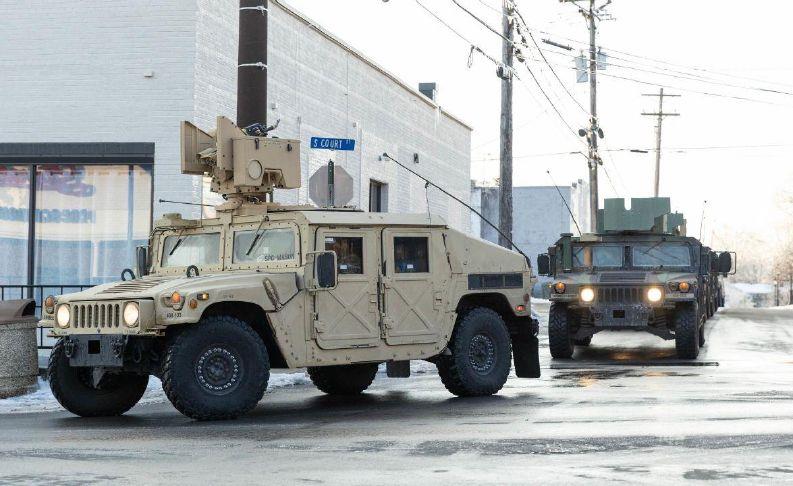
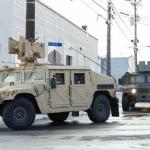
Generally in the counties, representatives reported state roads to be the clearest. State and National Guard support has also helped the region, with the Guard called into Allen and Barren counties.
The storm, Allen’s judge-executive Harper said, hit the whole county — downing trees and their limbs along the roads. Crews have been trying to get hem out of the way to make them passable.
Estimating the number of people stuck on the roads, Harper said, “probably in the hundreds, easy.”
The Allen County Sheriff’s Office, like elsewhere, has also helped many pick up families and take them to warming centers as well as homes of family members in Glasgow and nearby in Tennessee.
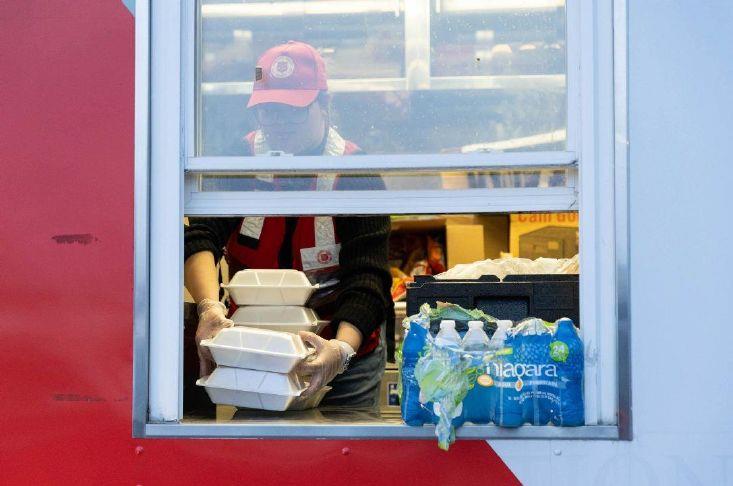
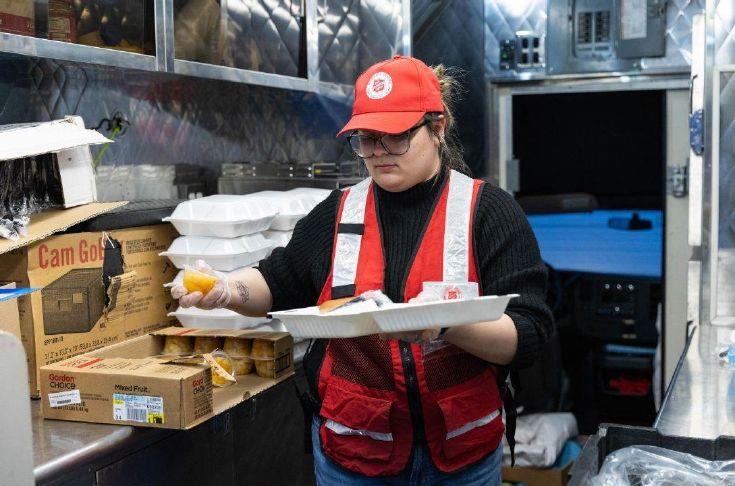
In Barren — where Gilliam stated that road accessibility issues were worsened by the downing of trees on powerlines and roadways — there’s been support from the Kentucky Department of Forestry and subcontractors through the state Emergency Management on getting trees off the road. Part of the National Guard’s support has included help delivering ready-to-eat meals and bottled water, he added.
Shelter
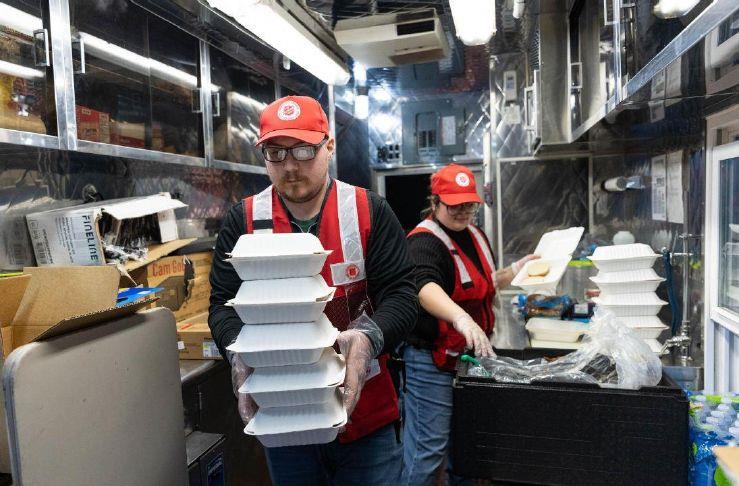
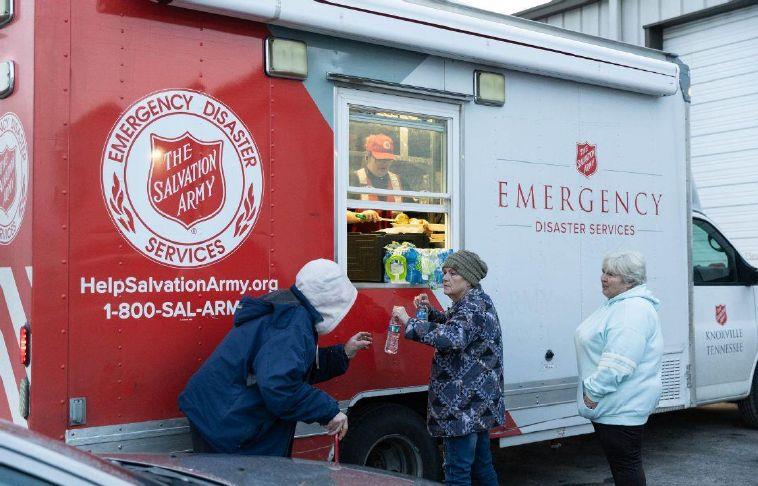
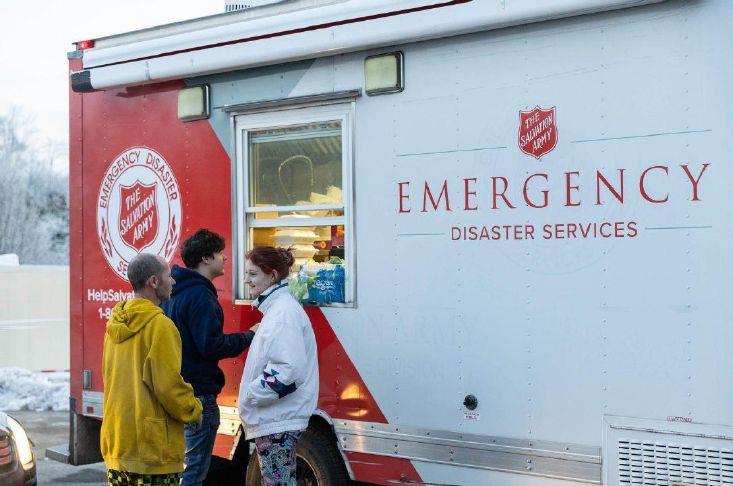
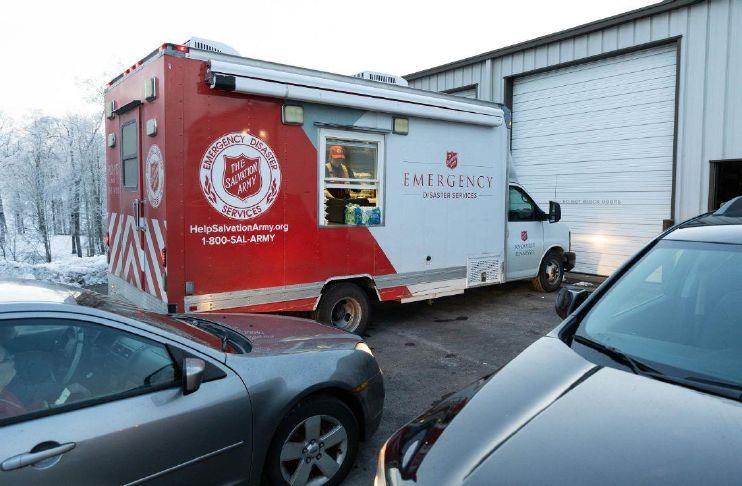
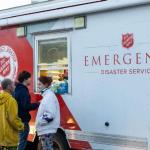
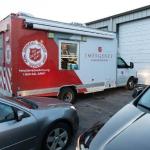
On Thursday, the Salvation Army reported thousands of residents in southcentral Kentucky and north central Tennessee remaining without power at temperatures below freezing, with the road conditions remaining hazardous, especially on secondary and rural routes.
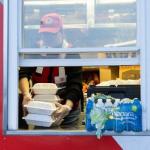
It partnered with Southern Baptist Disaster Relief to bring meals beginning Thursday across that region, including in Barren, Allen and Monroe counties.
Outside of Warren County, warming centers appeared to be more utilized in Allen than other counties, as the judge-executive had heard from two centers that about 30 people had used each of them. Barren’s Gilliam said their centers had few takers, which he attributes to reports he’s heard of residents housing neighbors in their living rooms and basements, or otherwise helping them with meals.
Multiple warming centers were opened in Warren County, including at Sugar Maple Square and The Capitol. The Salvation Army, as usual, became a refuge here with overnight stays; at Room in the Inn, where people get refuge at churches overnight, the average attendance was around double for winter nights, with anywhere from 47 to 58 people nightly Saturday through Wednesday.


Best of Best Winners