BG Catholic high school nears opening
Published 5:00 am Thursday, January 15, 2026
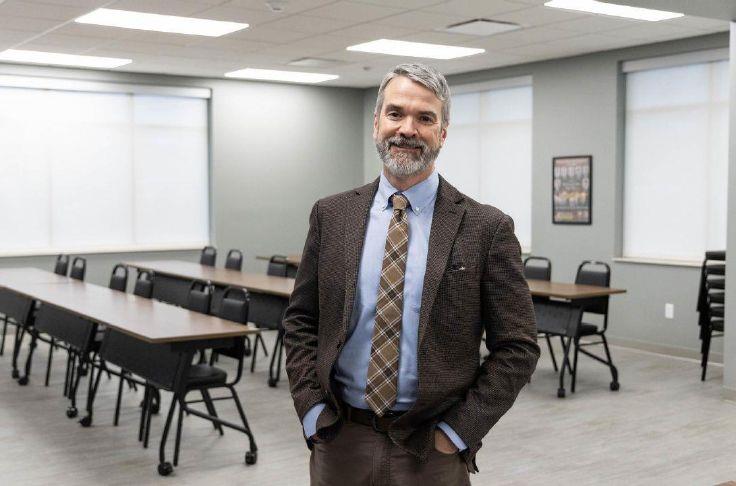
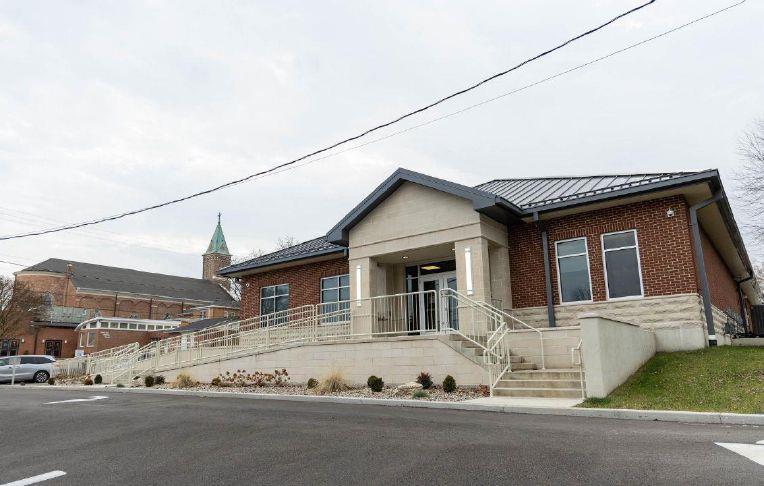
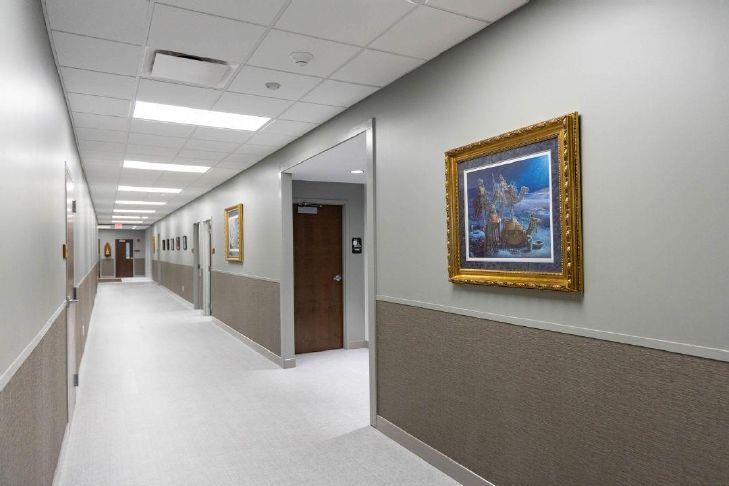
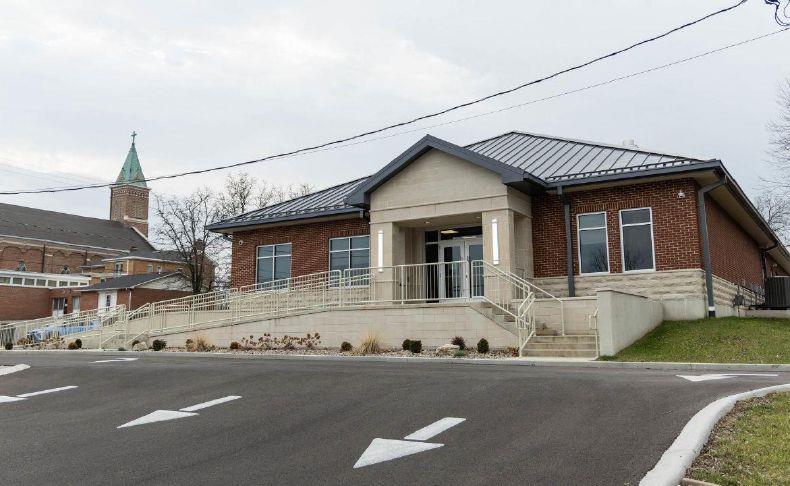
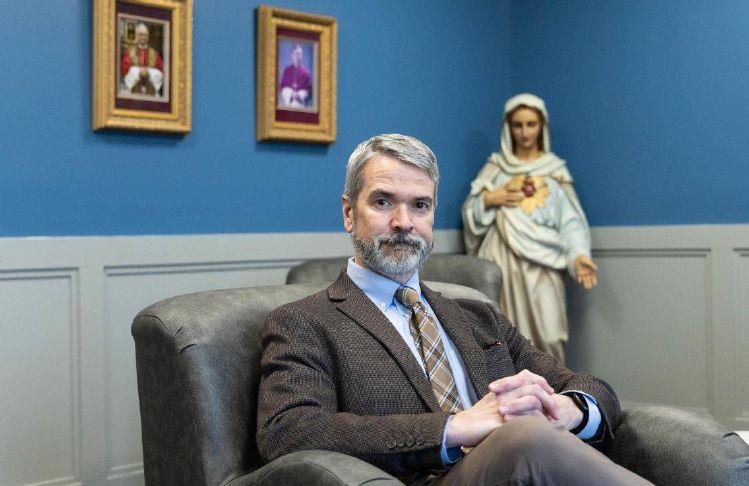


At Bowling Green’s soon-to-open Catholic high school, the founding headmaster will bring 32 years of experience in K-12 and higher education. The Socratic seminar teaching method, low-technology instruction and Latin study are part of the curriculum. And there will be time daily for mass or other opportunities for prayer such as the rosary, chaplets and Eucharistic Adoration.
Chesterton Academy of Bowling Green, to operate a ninth grade class and a 10th grade class its first year at the newly constructed DeVries Pastoral Center by St. Joseph Catholic Church, is slated to open in August — bringing a Catholic high school to the city for the first time in nearly 60 years. This week, the school announced longtime educator Tom Stewart, currently the Educational Recovery director at the Kentucky Department of Education, as its headmaster — and school board chairman Gary Houchens provided additional details of what’s to come.
Donors have provided funding that’ll allow them to provide financial assistance for families who need it, Houchens said. Tuition is $7,200 a year, which can be locked in annually for those who sign up by Feb. 2, he added.
Because the school is part of the Chesterton Schools Network, which comprised 70 schools last semester, it has been known that it’ll use the network’s curriculum — offering what’s known as a classical education. This entails a return to classic liberal arts with a heavy focus on “the great works of literature that shaped Western civilization and the great works of art that are a classical part of our heritage,” and no neglect for math or science, Houchens said.
The school will teach literature, history, science and math — the basic subjects taught in high school — in addition to offering another language and requiring at least two years of Latin, three years of drama, and yearly religion, art and music courses. The school, which plans to add a junior and senior class in its second and third year, will offer dual credits for upperclassmen.
It’ll be intentionally low tech, with students checking in their phones at the start of the day and receiving them at the end, Houchens said. The school will provide some computers for research and word processing — but no Chromebooks will be handed out, and there’ll be books aplenty with much notetaking via paper and pencil; they’ll also use the Socratic seminar learning method, where students will read classical texts and lead discussions.
“That low-tech commitment is in part an avenue by which we want to teach students this critical thinking that is so central to classical education,” Houchens added.
“No school, no matter how good it is, can be the perfect fit for every child, and therefore, we need a wide variety of learning environments available to students in every community (…).”
The school’s classical curriculum adds to the community’s educational landscape, Houchens said — as he and others at the academy are unaware of any other school offering a classical education in southcentral Kentucky.
“Students need to know not just a wide body of knowledge (…) — they need to have the ability to think critically, and that’s what classical education is designed to do,” Houchens added. “To us, that’s the real contribution.”
Each of the four classrooms has room for 20 students at the center, which will serve as an incubator for them to eventually outgrow — allowing them to meet school needs such as security and a playground shared by the adjacent St. Joseph School.
The headmaster Stewart — a longtime educator with much administrative experience in K-12 and higher education, who once taught locally at Richardsville Elementary as well as Western Kentucky University — will provide instruction alongside one or two full- or part-time teachers to begin.
Classes will be open to all, Catholic or non-Catholic, and they hope to serve a great diversity of students, Houchens said. He added that this includes students with disabilities to the extent the school can do so, which can be determined in an interview with a student and parent that’s part of the application process.
The primary factor they’re looking for in interested families is that they understand and embrace their core mission.
“For us as a Catholic school, the key goal of the entire educational endeavor is to form young men and women for lives of virtue and discipleship — and everything else is in service to that larger goal,” Houchens said. “So, clearly we have a rigorous college preparatory academic program, and we will have an athletic program that also supports student growth and development — but that academic and athletic dimensions of the school are in the larger service of forming lives of virtue and Christian discipleship.”
The sports available, particularly in the beginning, will depend on student interests, Houchens said. He noted that it’s easier to field teams for individual sports like golf and tennis, and perhaps cross country, track and field. But established Chesterton schools typically offer a range of athletic opportunities that the local school expects to eventually offer, from soccer to volleyball and basketball while not being large enough for programs like football or marching band, Houchens said.
The academy, which obtained permission to operate as a Catholic school from Bishop William Francis Medley of Owensboro and western Kentucky, has a board of directors that comprises both local Catholic parishes as well as people with experience in education, business, marketing and social media. This board makes decisions for the school — setting policy and evaluating and supporting the headmaster — while also executing necessary tasks to set the stage for the school’s opening; the academy will also follow whichever direction the bishop requests, Houchens added.
Meanwhile, headmaster Stewart will manage instruction and day-to-day operations. They hope to someday add an executive director to work with the public and handle media, fundraising, marketing and so forth, but for now, the board does much of that work, Houchens said.
Stewart added that he has roles in and outside the classroom: He plans to hire highly qualified teachers and strive for high rigor and student engagement in the classroom, teaching students how to think, while also communicating with numerous stakeholders to build positive relationships. He added that the academy has a house model, and they’ll aim to foster positive relationships with students within those houses.
“I’m personally looking forward to working in this model because we are distinctly Catholic — joyfully Catholic first — and we strive to provide a quality education, but all informed by our sacraments,” Stewart added.
Auburn resident Sharon McGinnis, who signed her son up for the fall, said she’s excited for the classical education piece, as they want him to be able to think independently — but also pointed to her appreciation for its Catholic focus.
“It’s nice to just have him go to a high school that shares the same values as we try to have instilled in him in the past 13-14 years — that means a lot,” she said.


Best of Best Winners