Food rescue nonprofit eyeing eventual BG return
Published 5:00 am Tuesday, January 13, 2026
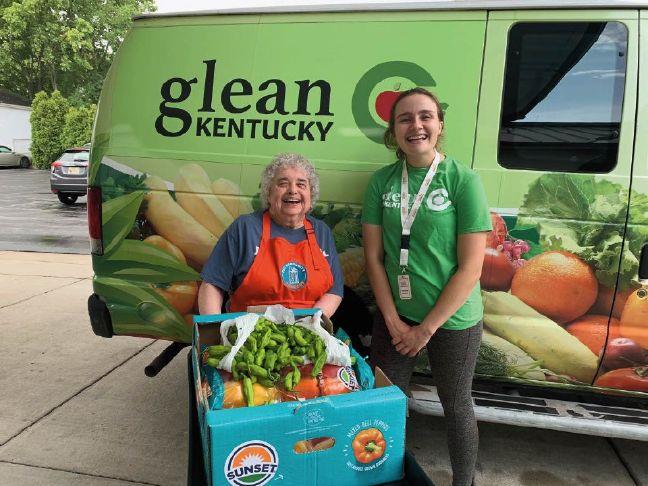
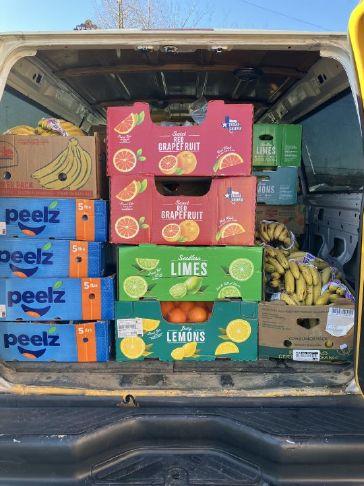
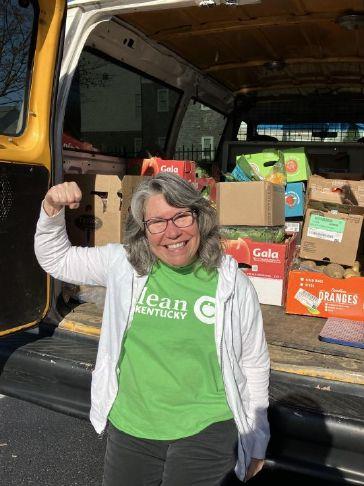
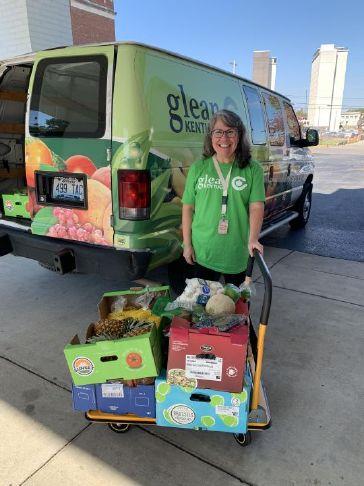
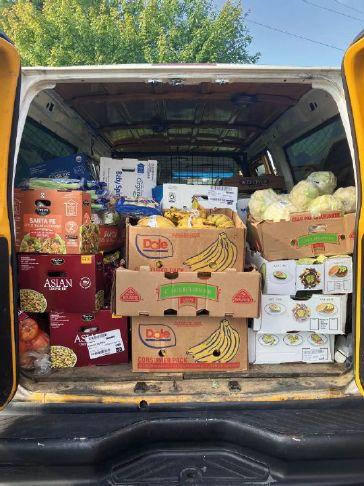
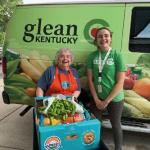
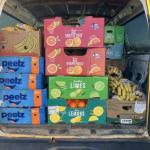
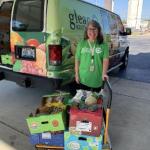
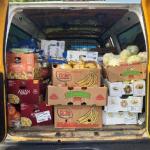
An operation that once became the face of food rescue in Bowling Green is eyeing an eventual return following its December 2024 closure, pending sustained community fundraising and grants.
From summer 2021 to December 2024, the Lexington-based nonprofit Glean Kentucky had distributed more than 210,000 pounds of to-be-discarded fresh produce to pantries free of cost in Bowling Green. But that operation ended because while there was some local support, it wasn’t enough to sustain area operations, a factor that became part of a larger funding shortfall necessitating further layoffs.
It has since become fiscally healthy under a new executive director, said board member Ken Haycraft, who joined after Bowling Green’s operation shuttered. With four staff, two vans and volunteers, it last year transported more than 240,000 pounds of excess fresh produce from retailers, farmers and farmers markets to pantries through central and north-central Kentucky — indicating growth in distribution.
Glean Kentucky Executive Director Jennifer Palmer said a timeline for potential return would be fundraising dependent, though she and Haycraft anticipate it’ll take several years to build the local relationships and sustained funding to make it happen.
It would take fundraising some $80,000 to $100,000 in initial pledges locally to launch a Bowling Green operation, Haycraft said — which includes the cost of a refrigerated van as well as annual transportation and administrative expenses. Ongoing costs would run about $50,000–$60,000 annually, assuming sufficient volunteer support.
Previously led by Jerilyn Bristow, who’s now at the local nonprofit House on the Hill, Glean Kentucky’s Bowling Green operation massively enhanced local access to healthy foods. Bill Stewart, president of the Holy Spirit Conference of St. Vincent De Paul food pantry, said that Glean Kentucky provided about 40%-45% of produce, and about 75% of their fresher produce; Julie Boca, First Christian’s community grocery food assistance program manager, said about 85% of their fresh produce came from the nonprofit.
The regional food bank, FAKH, has developed its own retail rescue program redirecting to-be-discarded foods to pantries and recently expanded it by 15% — but still, there remains potential to glean more fresh foods locally, according to FAKH executive director Charles Dennis.
Part of returning would entail mending fences with locals who felt left in the lurch by the sudden departure, Palmer and Haycraft said. Haycraft, without being asked, offered that the sudden departure and lack of communication surrounding it had burned some bridges locally, and there’s a commitment to doing better as the nonprofit aims to enhance local funding to keep it sustainable, and to bolster communications.
“We regret the lack of communication, and regret that we had to leave so quickly,” Haycraft said — then pointing to Bristow’s layoff in Bowling Green. “It’s unfortunate that that had to happen.”
Palmer expressed a strong desire to avoid anything like that happening again.
“I don’t want to go there until it’s viable.”
BG gleaning
It’s a typical Monday morning in early 2024, and Bristow is picking up her 10th case of produce at Sam’s Club. Volunteers typically help at Sam’s Club — but still, on each of the three days a week here, they’d pack some 600-1,400 pounds into her van.
Simultaneously, she connects with Bowling Green’s food pantries between her stops to tailor donations to pantries’ capacities and residents’ dietary needs — while figuring out how to divvy up, say, an 800-pound medley of fruits and vegetables. And so, with little more than a van, volunteers and FAKH’s retail connections, Bristow wore numerous hats as she spearheaded Glean Kentucky’s Bowling Green operations — redirecting more than 210,000 pounds of produce from being wasted to local residents in under four years.
Community members were affirming that the program was changing the food insecurity landscape, Bristow said. Local nonprofits and funders praised both the operation.
“They were filling a huge need for several food pantries in Bowling Green,” United Way of Southern Kentucky Director of Community Impact Hannah Gray recalled.
But when the Bowling Green operation was shuttered, Bristow said she was left to field calls from pantries and other stakeholders to tell them, one after another, that she was laid off, the operation was canceled, and they wouldn’t be getting the hundreds of pounds of food they were anticipating, that thousands of locals were counting on.
“It was devastating to not have an opportunity to pull it out of the gutter before they had to leave … and then, being the one left in Bowling Green to deal with the aftermath was also devastating,” Bristow said.
Glean Kentucky’s model, and the work that can be done through it, is phenomenal, Bristow said.
But she expressed concern stemming from her experience — and advised that if it wants to return to Bowling Green, the nonprofit needs to do it right, centering local funding as its foundation to ensure what happened to her operation never repeats.
“(By) having funders that are committed, that are engaged, and ready to support another attempt at operating Glean Kentucky in Bowling Green (…), they may be able to recreate a piece of what they had,” she said.
Moving forward
Multiple pantries and nonprofits expressed a desire to see Glean Kentucky return — though, it remains to be seen what role Glean Kentucky would fill.
Dennis, FAKH’s head, said he feels there is potential to do more in retail recovery, as food rescue efforts through a recent grant acquired by FAKH have mainly covered Sam’s Club and Walmart — and FAKH has numerous other partners. Dennis added that he could foresee opportunities to pick up at other locations, depending on the capacity of FAKH and its agencies.
“We want to be an enhancement to the fight against food insecurity in Warren County,” Dennis said. “So, if there are entities or organizations that want to partner with us that do that, we’re open.”
Dennis said he and Haycraft were on track to discuss possibilities late last year, but the food stamp funding suspension had then required shifting focus.
This partnership would be crucial for Glean Kentucky to return: When Bristow led the Bowling Green operation, a partnership with FAKH had enabled them to exponentially expand food distribution, which was in the ballpark of 40,000 pounds around the time they closed operations, she said.
“Our clients loved getting the produce,” recalled Stewart, at the Holy Spirit Conference of St. Vincent De Paul pantry. “My God, we would love it if they would come back.”
Boca, at First Christian’s community grocery assistance program, added that she would definitely want to see Glean Kentucky return. Their community grocery program, which lets county residents select food to go, began budgeting for fresh produce when Glean Kentucky left the area after seeing the need.
Jennifer Bailey, director of development and marketing at St. Teresa Ministries, said she saw pantries countywide had appreciated Glean Kentucky’s role. St. Teresa Ministries had provided Glean Kentucky some grant funding in 2024.
“One hundred percent — they need to come back to this community,” Bailey said when asked of the possibility, pointing to the local need for fresh, nutritious produce.
UWSK’s Gray said they were sad to see Glean Kentucky leave the area. UWSK was awarding them a $15,000 grant July 1, 2024, to June 30, 2025, though the nonprofit had stopped receiving it after they had left.
“We would be happy to entertain an application for funding for them in the future,” she added.
Jennifer Wethington, executive director of the nonprofit Community Foundation of South Central Kentucky, praised the local operation, and said that if Glean Kentucky returns here, she would advise partnering with more local organizations to utilize their resources. CFSKY had provided Glean Kentucky $20,000 in grant funding in 2023.
“We wouldn’t have invested in them if they had not been a program we’d believed in,” Wethington said.



Best of Best Winners