Overdoses down, suicides up in Warren coroner’s report
Published 5:00 am Sunday, January 11, 2026
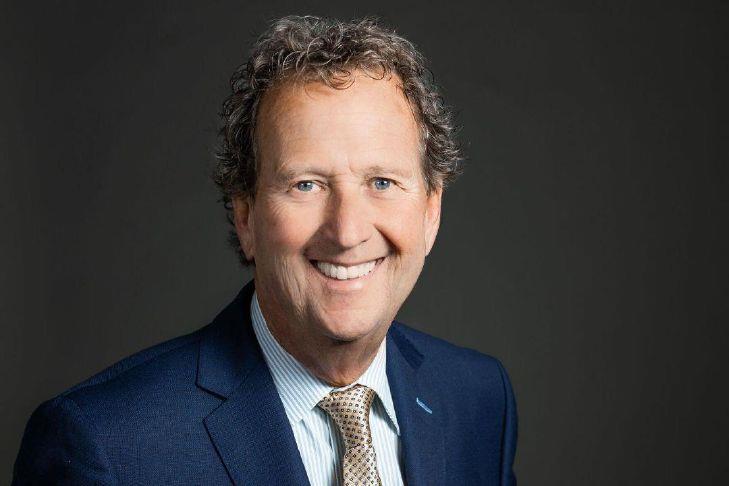
The Warren County Coroner’s Office experienced an increased caseload in 2025, investigating the most fatalities in four years.
Issued shortly after the new year, the county coroner’s report lists a total of 1,023 cases worked in the past year, an increase of 39 cases from the workload the office experienced in 2024.
The most deaths the office worked in a single year was 1,085 in 2021, a total driven in part by the tornadoes that ravaged the area and a notably high number of drug overdose deaths.
The caseload decreased in each subsequent year, but Warren County Coroner Kevin Kirby said that the boost in death investigations in 2025 is a reflection of the county’s growing population.
“Our caseload went up but as Warren County grows our caseload is also going to go up,” Kirby said.
The county coroner’s office typically investigates any death other than those in which a person died from an illness while under a doctor’s care.
As in previous years, the majority of the office’s workload focused on natural deaths and the authorization of cremation permits.
By state law, the body of a person who died in Kentucky cannot be cremated without a signed permit from the coroner’s office in the county where the death occurred, with the permit listing a cause of death.
A total of 531 cremation permits were signed last year in Warren County, which is actually 50 fewer than were signed in 2024, while 351 natural deaths were investigated by the coroner’s office, an increase from 325 recorded in 2024.
Twelve deaths from drug overdoses were recorded in the county last year, continuing a trend in which drug-related fatalities have plummeted.
In 2023, 31 overdose deaths were noted, and then 15 overdoses were documented in 2024.
This past year, the presence of fentanyl was observed in four of the 12 fatal overdoses.
On that front, Kirby said he was grateful for the assistance of local law enforcement, city and county fire departments, The Medical Center EMS and other agencies that have taken to carrying naloxone, which can reverse the effects of an opioid overdose, while on duty.
“Most everybody in the field going out to help folks have that on their person or in their vehicles, it’s a blessing to be able to have it,” Kirby said of naloxone, commonly marketed as Narcan.
The coroner’s office also worked 11 deaths from auto collisions, nine deaths with undetermined cause, eight homicides, five accidental falls, two motorcycle/ATV accidents, two vehicle vs. bicycle deaths, two vehicle vs. pedestrian deaths, one SIDS/fetal death and one fire death.
While overdoses decreased in the county, the number of suicides rose in 2025, according to the coroner’s report.
A total of 29 deaths by suicide were tallied in 2025, compared to 22 the year before.
John Paul Reynolds, director of adult crisis stabilization at LifeSkills, said that the agency has relaunched its mobile crisis team within the past two years to enable therapists to meet people in the 10-county region served by LifeSkills, helping to bring down barriers to mental health care accessibility.
“I think that when it comes to our population that we work with it’s hard to predict who’s going to follow through with harming themselves,” said Reynolds, who oversees an eight-bed residential adult crisis stabilization unit. “I think food uncertainty and the crises that people experience making ends meet on a daily basis, whether it’s being unhoused or just survival puts people in a position where sometimes they feel like they don’t have an option.”
Lack of transportation options, issues with affordability and confusion regarding insurance coverage can also represent barriers to health care for people who have expressed suicidal ideation or are otherwise in a mental health crisis, Reynolds said.
As a community mental health center, LifeSkills will not turn away anyone seeking an evaluation, and discussions regarding appropriate treatments after an evaluation may follow.
For people whose loved ones are in crisis, Reynolds stressed that it is crucial for lines of communication to remain open.
“When we’re depressed sometimes we start to think we’re burdens or that no one cares, so it’s important for loved ones to give those words of affirmation and let them know we care about you, we’ve noticed a change in behaviors and we just want to understand what you’re going through, coming across as nonjudgmental and caring,” Reynolds said.
The 988 Lifeline, which connects callers with suicide prevention, mental health and substance abuse counselors is also an essential tool that providers are doing more to publicize.
“There are a lot of avenues that cause people to be in crisis, and they can reach out to 988 even if they’re not actively suicidal,” Reynolds said. “If we can address the crisis before it gets to them doing anything to harm themselves, that in itself is going to be really important.”



Best of Best Winners