Riverfront Park work among tops on city agenda
Published 5:00 am Wednesday, January 7, 2026
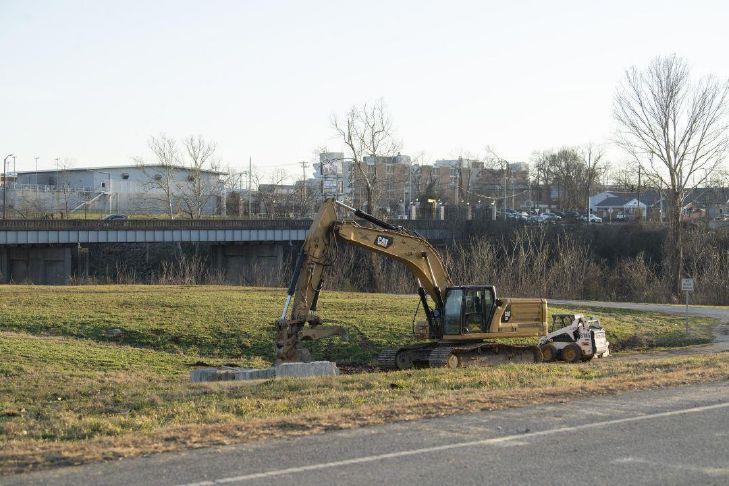
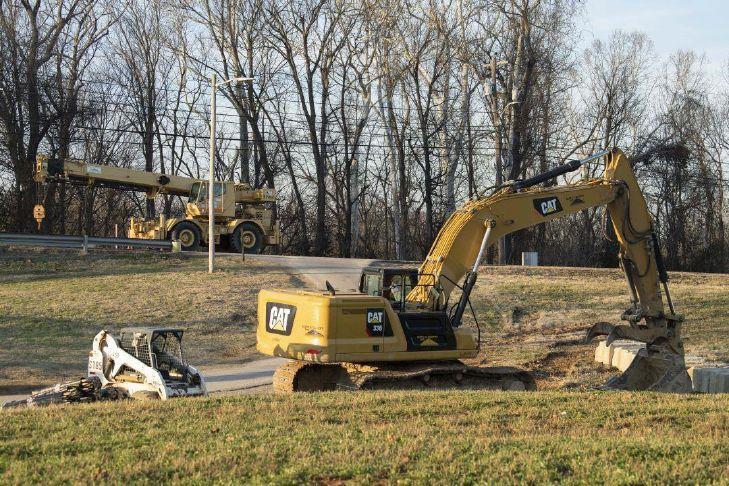
Beginning construction on phase one of Riverfront Park and finally opening a joint police and fire training center are among the accomplishments Bowling Green City Manager Jeff Meisel is most proud of for 2025, with eyes on an equally productive 2026.
“People tell me they feel like we’re doing a good job, and these are not my relatives” saying it, Meisel told the Daily News.
Continuing work on Riverfront Park is something Meisel said is the biggest thing he’s anticipating in 2026.
” … Just (the) anticipation of what that’s going to look like down there,” he said. “Designs look great, Hopefully, everything works out and we can do what was designed and don’t run into many obstacles.”
The long-in-the-works plan to redevelop a largely vacant stretch of land along Barren River into a recreation destination kicked into high gear last year when the city moved ahead on constructing phase one of the park.
Phase one will include a new boat ramp leading down to Barren River along with a pedestrian plaza complete with benches, picnic areas, a temporary parking lot, event space and other pedestrian features. Construction is expected to wrap up early next summer.
Scott & Murphy’s bid totals $4.3 million. Funding comes from a $750,000 grant through the National Park Service’s Outdoor Recreation Legacy Partnership Grants Program that the city secured in 2020, along with a city match of $1.5 million. Childers told the Daily News previously that cost differences will be made up by the city.
A later development for the city this year was the purchase of the U.S. Bank building in downtown, which commissioners greenlit in September for $2.5 million.
The building will house several city departments that are currently located in the city hall annex on College Street, as prep work begins to revamp office space for city personnel.
Meisel said over next year the city will secure an architect and begin the design process for an expansion of the City Hall campus. No changes will be made to City Hall itself, he said, and the completed space may be partly devoted to housing city commission meetings.
“Our commission chamber, I feel like, is outdated and undersized for a city of our size,” he said. “You go to other towns and cities, even smaller ones, have bigger, nicer chambers for meetings.”
Until then, meetings will continue to be held on the third floor of City Hall.
On Halloween this year, officials cut the ribbon on a facility replacing the Bowling Green Fire Department’s station five. The site serves as both a fire station and a training facility for both fire and the Bowling Green Police Department.
The multi-year, $16 million project sits along Porter Pike and promised to give some breathing room to both departments, who have each seen their staffing swell in recent years to keep up with Bowling Green’s meteoric growth. Personnel from both departments began moving into the facility in June.
Meisel told the Daily News that there was a great need in replacing station five.
“It was built in 1980 — it was pretty rough,” he said. ” … It had a little miniature version of a training center, which was a one room and a little kitchen area, But that was about it.”
Sinkholes were a challenge for the city in 2025, so much so that Meisel said 2025 has been “the year of the sinkhole” during a commission meeting earlier.
Many issues with sinkholes stem from a multi-day weather event that dropped more than 10 inches of rain on Warren County in the spring.
Another challenge is the rollout of a new stormwater utility system that will cover repairs to Bowling Green’s storm drainage system.
Commissioners OK’d the utility in November. Starting Jan. 1, 2027, households will be charged a $4 fee each month. The money will go into a pool that will be used to fund repairs to the system.
Funding will also come from a fee-in-lieu-of-construction, or FILOC, which is charged to new developments that would replace the need for constructing stormwater mitigation. This portion of the utility is already in effect.
“The stormwater utility fees will hopefully help plug that hole for funding,” Meisel said. “We’re hoping that we’ll have just a continuous revenue stream that we won’t have to borrow. We just use that revenue stream to update these critical points in the system.”
About Jack Dobbs

Jack covers city government for the Daily News. Originally from Simpson County, he attended Western Kentucky University and graduated in 2022 with a degree in journalism.
 More by Jack


Best of Best Winners